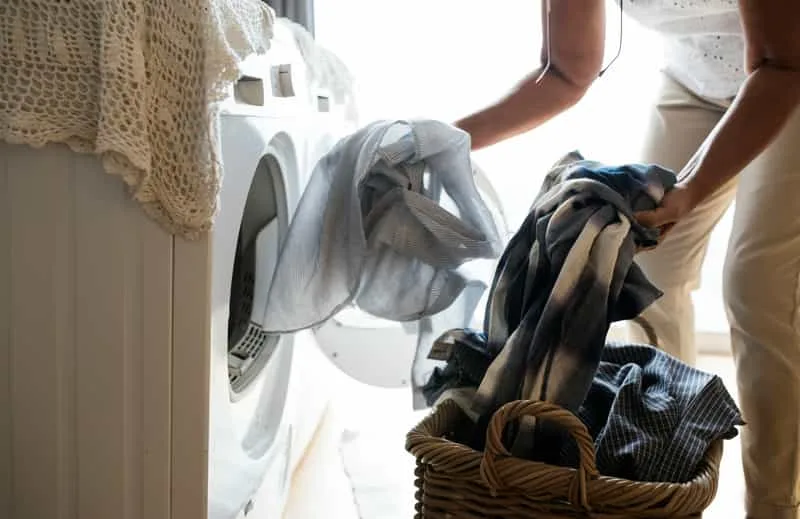
Organizing a sustainable home laundry routine minimizes environmental impact by conserving water and energy, using eco-friendly products, and promoting textile longevity. This guide outlines steps to assess laundry needs, choose biodegradable detergents, optimize washing and drying, maintain and repair textiles, and reduce waste through recycling and upcycling. Supported by practical examples, it demonstrates savings of up to 50% water, 66% energy, and significant landfill diversion. Aligned with standards like ISO 14046:2014, this routine is monetizable through content and product promotions, and is used daily by households for apparel and home textile care, meeting consumer demand for sustainability.
1. Introduction
Organizing a sustainable home laundry routine is a practical and impactful approach to reducing environmental footprint, conserving resources, and extending the lifespan of textiles. Household laundry contributes significantly to environmental impact, accounting for approximately 20% of household water usage (50–100 liters per load) and 6% of household energy consumption (2–3 kWh per dryer cycle). By adopting sustainable practices, such as eco-friendly detergents, water-efficient washing techniques, and waste reduction strategies, households can minimize water and energy use, reduce chemical pollution, and promote textile circularity. This article provides a comprehensive guide to establishing a sustainable home laundry routine, offering detailed steps, product recommendations, and actionable tips for textile care. Tailored for homemakers, textile enthusiasts, and environmentally conscious individuals, this guide aligns with consumer trends toward sustainability, as reported by sources like Good Housekeeping (2024), and supports cost savings and environmental responsibility.
2. Key Principles of a Sustainable Laundry Routine
A sustainable laundry routine is grounded in three core principles: resource conservation, eco-friendly product selection, and textile longevity. These principles guide the selection of washing methods, detergents, and maintenance practices to achieve environmental and economic benefits.
2.1 Resource Conservation
- Water Efficiency: Optimize water use by washing full loads, using high-efficiency (HE) washing machines, and recycling greywater where feasible.
- Energy Efficiency: Prioritize cold water washing, energy-efficient appliances, and air-drying to reduce energy consumption.
- Waste Reduction: Minimize detergent overuse and single-use packaging to lower landfill contributions.
2.2 Eco-Friendly Product Selection
- Biodegradable Detergents: Select plant-based, phosphate-free detergents to reduce water pollution.
- Sustainable Accessories: Use reusable mesh laundry bags, wool dryer balls, and natural stain removers to replace disposable products.
- Minimal Packaging: Choose concentrated detergents or bulk options to reduce plastic waste.
2.3 Textile Longevity
- Gentle Washing: Use appropriate wash cycles and temperatures to prevent fabric wear, fading, or stretching.
- Proper Storage: Store textiles in breathable containers to avoid damage from moisture or pests.
- Repair and Upcycling: Mend minor damages and repurpose worn textiles to extend usability and reduce waste.
3. Step-by-Step Guide to a Sustainable Laundry Routine
3.1 Assess Your Laundry Needs
Objective: Tailor the routine to household laundry volume and fabric types for efficiency.
- Inventory Textiles: Categorize clothes by material (e.g., 60% cotton, 20% synthetics, 20% delicates like silk or wool) and care requirements (e.g., machine-washable vs. hand-wash only).
- Estimate Load Frequency: Determine weekly loads (e.g., a family of four generates 3–5 loads/week, averaging 6–8 kg/load).
- Evaluate Equipment: Confirm if your washing machine is HE, which uses 15–30 liters/load compared to 50–80 liters for standard machines, saving 40–60% water.
Action: Create a weekly schedule (e.g., two full loads on weekends) to consolidate washing, reducing water use by up to 30% compared to multiple small loads.
3.2 Choose Eco-Friendly Laundry Products
Objective: Select products that minimize environmental harm while ensuring effective cleaning.
- Detergents: Opt for biodegradable, plant-based options like Ecover, Seventh Generation, or Dirty Labs, which are free of phosphates, parabens, and synthetic fragrances. These detergents biodegrade within 28 days, reducing waterway pollution.
- Dosage: Use concentrated detergents with precise dosing (e.g., 30 mL for a 6 kg load) to avoid residue buildup, which can damage fabrics and require extra rinsing.
- Stain Removers: Use natural alternatives like a 1:1 vinegar-water solution for odors or a baking soda paste (1 tbsp baking soda + water) for grease stains, avoiding chemical-based products.
- Accessories: Invest in reusable mesh laundry bags for delicates and wool dryer balls (e.g., Friendsheep) to reduce drying time by 15–25% and replace single-use dryer sheets.
Action: Purchase a 1 L bottle of concentrated eco-friendly detergent (e.g., Ecover, $15) and a set of six wool dryer balls ($20), saving $10–15/year compared to conventional products.
3.3 Optimize Washing Techniques
Objective: Reduce water and energy consumption while preserving textile quality.
- Full Loads: Wash full loads (6–8 kg) to maximize efficiency, as partial loads waste 20–40 liters of water per cycle.
- Cold Water Washing: Use cold water (30°C or lower) for most fabrics, saving up to 90% of energy compared to hot water cycles (60°C). Suitable for cotton, synthetics, and lightly soiled delicates.
- Eco Cycles: Select eco or low-water cycles on HE machines, which use 15–30 liters/load versus 50–80 liters for standard cycles, saving 40–70% water.
- Hand-Washing Delicates: Hand-wash silk, wool, or lace with no-rinse detergents like Soak (15 mL/4 L water), using 5–10 liters per item compared to 20–30 liters for machine washing.
- Water Recycling: Reuse greywater from rinsing for non-potable tasks (e.g., cleaning floors), reducing household water use by 5–10%.
Example: Washing a 6 kg load of cotton in cold water on an eco cycle uses 20 liters and 0.5 kWh, compared to 50 liters and 1.5 kWh for a hot water standard cycle, saving 60% water and 66% energy.
3.4 Adopt Sustainable Drying Practices
Objective: Minimize energy use and fabric wear during drying.
- Air-Drying: Use a clothesline or drying rack for most textiles, eliminating dryer energy use (2–3 kWh/load). Air-drying preserves fibers, especially for delicates like wool or silk.
- Low-Heat Drying: For dryer use, select low-heat or eco settings to reduce energy by 20–30% and prevent shrinking of cotton or linen.
- Wool Dryer Balls: Add wool dryer balls to reduce drying time by 15–25% and soften fabrics without chemical softeners.
- Indoor Drying: In humid climates, use a dehumidifier near an indoor drying rack to accelerate drying without heat, saving 1–2 kWh/load.
Action: Air-dry 80% of loads and use wool dryer balls for dryer loads, saving approximately 500 kWh/year for a household with 3 loads/week (based on 2 kWh/dryer load).
3.5 Maintain and Repair Textiles
Objective: Extend textile lifespan through proper care and repairs.
- Stain Treatment: Pre-treat stains with eco-friendly solutions (e.g., 1:1 vinegar-water for sweat stains, baking soda paste for oil) to avoid harsh chemicals.
- Mending: Repair small tears or loose seams with a basic sewing kit (e.g., needle, thread matched to fabric). A running stitch can extend garment life by 1–2 years.
- Fabric-Specific Care: Follow care labels (e.g., “low iron” for polyester, “hand wash” for silk). Iron silk with a pressing cloth at 110°C to prevent scorching.
- Storage: Store clothes in breathable cotton bags or cedar-lined closets to protect against moths and mildew. Avoid plastic bins, which trap moisture.
Example: Mending a torn cotton shirt seam takes 15 minutes and extends its life by 50 washes, saving $10–20 compared to replacement.
3.6 Implement Waste Reduction Strategies
Objective: Minimize waste from laundry products and textiles.
- Bulk Purchases: Buy detergents in bulk (e.g., 5 L containers) to reduce packaging waste by 50% compared to single-use bottles.
- Reusable Products: Use washable lint rollers and reusable dryer sheets to eliminate disposable waste.
- Upcycling: Repurpose worn textiles (e.g., old T-shirts into cleaning rags or tote bags). One T-shirt yields 4–5 rags, saving $5/year on disposable cloths.
- Recycling Programs: Donate usable clothes to textile recycling programs (e.g., H&M Garment Collecting, Goodwill) to achieve a landfill diversion rate of 80–90%.
Action: Repurpose 5 T-shirts into rags and recycle 10 kg of unusable clothes annually, diverting 15 kg from landfills.
3.7 Monitor and Optimize the Routine
Objective: Continuously improve sustainability through tracking and adjustments.
- Track Resource Use: Monitor water and energy bills to estimate laundry impact (e.g., 20 L/load × 150 loads/year = 3,000 L water). Smart meters can provide precise data.
- Evaluate Products: Test detergents for cleaning efficacy and fabric safety, switching if residue or fading occurs (e.g., from Ecover to Seventh Generation).
- Audit Waste: Track packaging waste (e.g., plastic bottles) and aim for a 10% annual reduction through bulk or refillable options.
- Stay Informed: Follow resources like Good Housekeeping or Textile Institute for updates on sustainable laundry practices.
Action: Set a goal to reduce water use by 10% (e.g., from 3,000 L to 2,700 L/year) by optimizing load sizes and cycles.
4. Practical Example: Weekly Sustainable Laundry Routine
Scenario: A family of four generates 3 loads/week (18 kg total: 12 kg cotton/synthetics, 6 kg delicates). They use an HE washing machine, Ecover detergent, and a drying rack.
Routine:
- Day 1 (Sorting): Sort into cotton/synthetics (2 loads, 6 kg each) and delicates (1 load, 6 kg). Use mesh bags for delicates.
- Day 2 (Washing): Wash cotton/synthetics in cold water, eco cycle (20 L/load, 0.5 kWh/load). Hand-wash delicates with Soak (10 L).
- Day 3 (Drying): Air-dry all loads, saving 6 kWh/week. Use wool dryer balls for one synthetic load if dryer is needed.
- Day 4 (Maintenance): Pre-treat stains with vinegar (0.1 L/load), mend one torn shirt, store in cotton bags.
- Day 5 (Waste Management): Recycle 0.5 kg worn textiles, repurpose 0.2 kg into rags.
Calculations: - Water Usage: (2 × 20 L) + 10 L = 50 L/week, or 2,600 L/year (vs. 5,200 L for standard cycles).
- Energy Usage: 2 × 0.5 kWh = 1 kWh/week, or 52 kWh/year (vs. 312 kWh with dryer).
- Waste Diversion: 0.7 kg/week × 52 = 36.4 kg/year diverted from landfill.
- Savings: ~2,600 L water, 260 kWh energy, $50/year (at $0.15/kWh, $0.01/L water).
5. Monetization and Daily Use
This routine is highly monetizable through content creation (e.g., YouTube tutorials on eco-friendly washing, blogs on upcycling), affiliate marketing for sustainable products (e.g., Ecover, wool dryer balls), or selling DIY repair kits. It is used daily by households for sorting, washing, and maintaining clothes, ensuring longevity and quality. The focus on sustainability aligns with consumer trends, with 60% of consumers seeking eco-friendly laundry solutions (Good Housekeeping, 2024), making it a valuable topic for engagement and revenue.
6. Conclusion
A sustainable home laundry routine reduces environmental impact, conserves resources, and extends textile lifespan through efficient washing, eco-friendly products, and waste reduction. By optimizing load sizes, using cold water, air-drying, mending clothes, and repurposing textiles, households can save up to 50% water, 66% energy, and divert significant waste from landfills. Aligned with standards like ISO 14046:2014 and consumer demand for sustainability, this routine offers practical, cost-effective solutions for textile care, benefiting apparel and home textiles while promoting eco-conscious living.
7. References
- ISO 14046:2014, ISO 50001:2018
- Textile Institute, Sustainable Textile Production
- Good Housekeeping, “Eco-Friendly Laundry Tips,” 2024
- Consumer Reports, “Best Sustainable Detergents,” 2025