

Luggage fabrics
Definition of luggage fabric: Luggage fabric is used where luggage is transported from one place to another place in the form of bags, suitcases, etc. Should have the following properties. Appearance, fashionable, comfort, retention, Highest durability, lightest weight, cheap prices, soft material, and good styles. Grey cloth has the advantages of soft hand feeling, strong drape, novel style, good waterproof performance, etc., and the cloth has a gloss high quality and novel design.
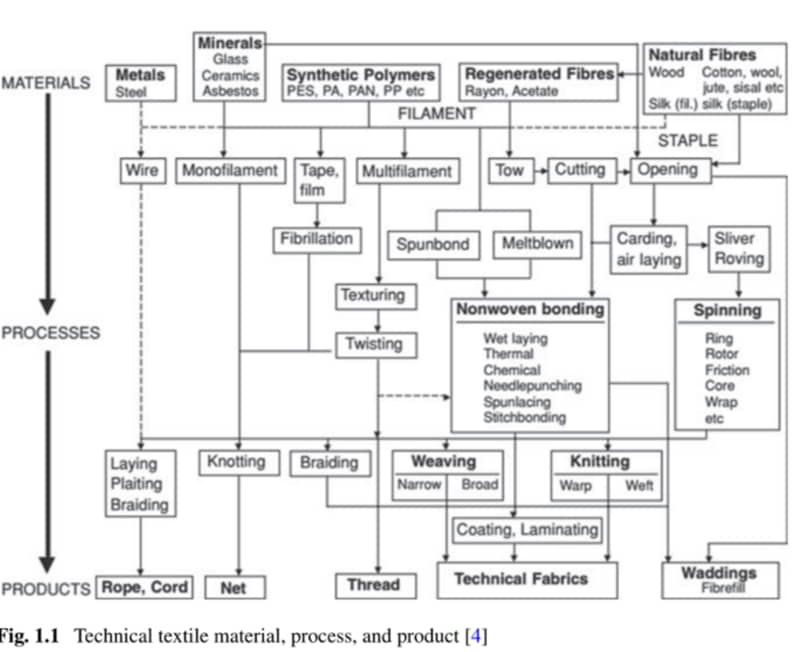
The Best Luggage Material
The variety of luggage materials on offer is greater than most of us realize. There is not a single best material for luggage. Luggage fabric can be made from different materials like polyester, aluminum, ballistic nylon, polycarbonate, leather, polypropylene, etc.
There is no single best material for luggage. The different materials have different strengths and weaknesses. Luggage material is to be chosen based on which features matter most to the user, e.g. durability, price, weight, etc. Each material has its own pros and cons.
Leather is for example extremely durable but it is heavy while nylon is lighter but still quite durable. Some materials are also easier to maintain and clean than others. However, the first thing to decide is to go for soft or hard external luggage material. The following table ranks the main features for the most popular materials on the market today in ascending order, i.e., based on the description in the brackets.
| Durability (Most) |
Weight (Lightest) |
Price (Lowest) |
Styles | |
|---|---|---|---|---|
| Soft Material | ||||
| Ballistic | 1 | 2 | 3 | Limited Colors |
| Cordura | 2 | 1 | 2 | No Limitations |
| Polyester | 3 | n/a | 1 | No Limitations |
| Hard Material | ||||
| Aluminum | 1 | n/a | 4 | Limited Colors |
| Polycarbonate | 2 | 3 | 3 | No Limitations |
| Polypropylene | 3 | 1 | 2 | No Limitations |
| ABS | 4 | 2 | 1 | No Limitations |
What Should be purchased Soft or Hard Sided Luggage?
Choosing a material for your soft side luggage may be a little more complicated. There’s a far wider variety of materials that include: Polyester, Oxford cloth, Nylon, Ballistic Nylon, Cordura Nylon, Canvas, and Leather. If you want something cost-effective, and don’t mind if the case is going to be less scratch and tear-resistant, Polyester and Oxford Cloth may be a good choice. However, if you want something more durable, you will have to pay a little more for a Nylon suitcase. Out of all nylons, Ballistic is the most durable, followed by Cordura and lastly regular nylon.
If you have a bigger budget and want something on the high-end of suitcases, try leather or canvas. For some, leather is also more aesthetically pleasing, though it is very expensive. Other materials used are outdoor fabrics which are very sturdy, resistant to abrasion, and waterproof. Modern technology and innovative design have made hard-sided luggage easier and cheaper to make. Meaning the difference between soft and hard material has become less apparent.
Nowadays you can get similarly durable, lightweight, and priced, soft and hard-sided luggage. It can therefore be only a matter of preference, which type of material to go for. Hard-sided luggage though still offers the best protection while soft-sided luggage offers more flexibility (can be expandable with external pockets, etc). Soft or hard-sided luggage guide will help to decide which type of luggage is the right one for travel needs.
Polyester cloth
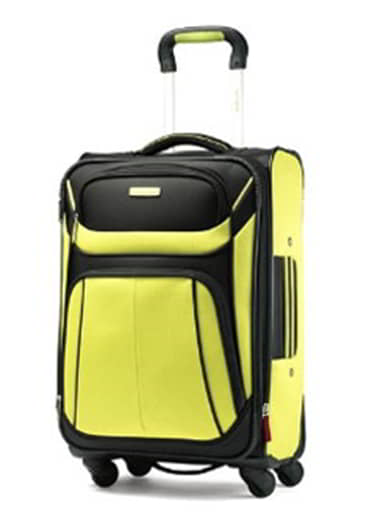
All fabrics are measured in deniers – the mass of a single 9000m long thread. I know, it’s a weird way of measuring fabrics. I’ll try to explain though. For instance, a single silk thread that’s 9km long weighs 1 gram, which is one denier or 1D. Polyester threads usually range in the 50D-1800D, which means that a single polyester thread 9km in length would weigh 50g-1800g. As a rule, the more deniers, the more durable the material is. Polyester is usually used in cheaper suitcases because it’s less expensive than nylon. When looking at its properties, polyester is less durable and less scratch & tear-resistant than nylon or canvas. However, it weighs slightly less than nylon, which is a good thing. When looking at polyester suitcases, try to get at least 800D Polyester, which is somewhat durable.
Oxford Cloth
Full stretch Oxford cloth
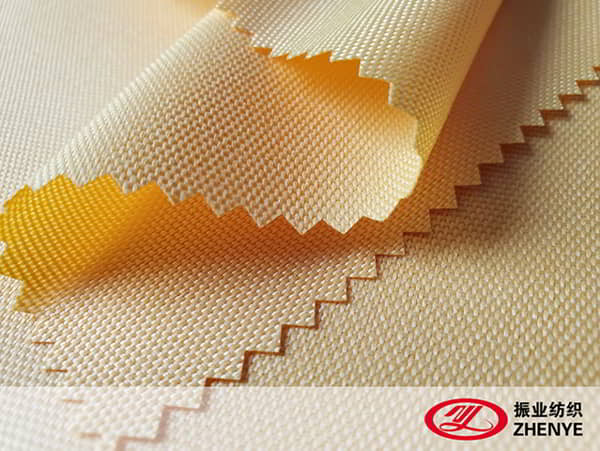
Mainly produce luggage. The warp and weft yarns of this fabric are made of polyester DTY300D yarns, which are interwoven on a water jet loom or rapier loom, or projectile loom with a coarse-point variable permeable weave. After the fabric is relaxed, refined, pre-shaped, alkali reduced, and soft-set, the reverse side of the fabric is then coated with rubber and plastic. With fine texture, soft luster, and good waterproofness, the bags made by this product are fashionable and trendy pets that dress up ladies.
Oxford cloth is a breathable basket weave cloth originally made from cotton, however today it’s often blended with other fabrics such as rayon and polyester. It’s the result of a particular basket weave process known as the Oxford weave, from where it gets its name. In its time Oxford cloth has most commonly been used for clothing, particularly casualwear. However, it has recently become somewhat popular for its use elsewhere, such as window treatments, wall hanging, and duvet covers. It’s not unusual to see Oxford cloth used for suitcases as well, and the fabric has even been used by some leading brand names. For suitcases, the cloth is usually around 600D for water resistance though material as high as 1680D, with exceptional abrasion and tear resistance, can be found.
Nylon Oxford cloth
Oxford cloth is a new type of fabric with various functions and a wide range of uses. At present, the main products on the market include: checkered, full stretch, nylon, tiffany, and other varieties.
Mainly produce flood and rain protection products. The warp of the fabric is made of 200D nylon air change yarn, and the weft is made of 160D nylon air change yarn. It is a plain weave structure, and the product is woven by a water jet loom. After the dyeing, finishing, and coating process, the grey cloth has the advantages of soft hand feeling, strong drape, novel style, good waterproof performance, etc., and the cloth has a gloss and sensory effect of nylon silk.
Because of its high quality and novel design, it is deeply loved by users. The colors available on the market are available in different types such as navy blue, light black, tiger yellow, and dark green, and can be dyed in batches according to customer needs. This is a Urethane Coated Nylon or Polyester fabric. Frequently used for making tents, bags, flags, banners, outer fabric as well as the lining of bags, etc.
Nylon cloth
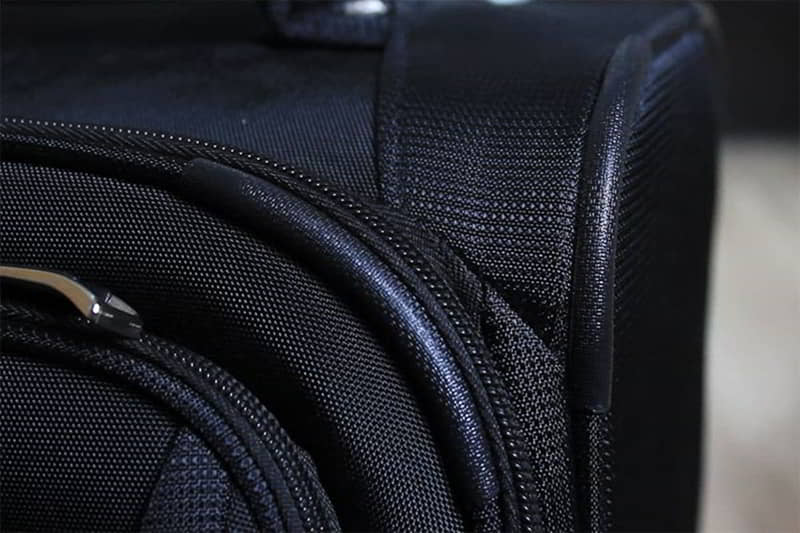
Nylon is more expensive than polyester, hence the reason expensive luggage is usually made from this material. In deniers, nylon fabrics usually range lower than polyester, but they also tend to be stronger. For instance, a 450D nylon is going to be stronger than 600d polyester. This may be something you’ll want to keep in mind if you’re considering luggage made from either of the two. Nylon also happens to be more abrasion and tear-resistant, which is perfect for fabric suitcases. One thing to note is that nylon is somewhat bulkier than polyester
Ballistic Nylon cloth
Ballistic nylon is a thick synthetic nylon fabric. Ballistic nylon is very durable and easy to clean. Its’ ability to resist abrasion and tearing makes ballistic nylon popular material for luggage that has to be able to withstand a considerable beating. On the downside, ballistic nylon is hard to dye, so there are fewer color choices.
Ballistic nylon luggage usually comes in black or similarly dark colors. This material came into existence during the Second World War, as an American company’s attempt to make a “flak jacket”, i.e., a form of body armor that might protect against bullet and artillery-shell shrapnel. Interesting huh? Unfortunately, Ballistic nylon failed to achieve this goal, but it is still being used for durable products today.
Although ballistic nylon is made from nylon, its properties are not exactly the same. It’s weaved differently and built from thicker and heavier threads (Usually 840D or 1050D). Although they couldn’t make it bulletproof, they did create a fabric that’s virtually travel-proof. It’s mostly used in backpacks and other travel gear, which needs improved resistance. It has a rough feel to it, and it’s bulkier than regular nylon. Compared to regular nylon or polyester, it’s more tear-resistant and abrasion-resistant.
Cordura Nylon cloth
Cordura nylon is another great soft luggage fabric. Cordura is best known for its durability and resistance to abrasions, tears, and scuffs. Cordura weighs slightly less than ballistic nylon and takes dye easily, meaning you have much more color choices. Cordura is also more abrasion resistant, but ballistic nylon offers higher tear strength. Cordura is another type of nylon, somewhat similar to Ballistic nylon. It was developed in the same era, and it’s similarly durable.
Cordura is also made from nylon threads in 1050D thickness. This material is used in high-end travel gear that needs to be super durable and weather-resistant. The key difference from Ballistic nylon is that Cordura is more abrasion-resistant and looks more similar to Canvas. Also, it’s not as tear-resistant as Ballistic nylon. Both materials are exceptionally strong, and both are good choices for fabric travel products, like backpacks and luggage.
Canvas cloth
Canvas is a woven fabric made from cotton, hemp, or a blend. Although it’s rarely used in luggage, it’s pretty common in backpacks and other travel products. It’s stronger than regular polyester, but not as strong as nylon. Because it’s made from organic materials instead of plastics, it’s not as weatherproof and can start to rot if left in damp conditions. It’s also heavier than polyester or nylon and can get pretty expensive. Due to its more natural looks, it’s more common in backpacks, duffel bags, and jackets, instead of suitcases.
Leather sheet
Although leather was widely used for suitcases in the ’50s, it was quickly outperformed by fabric, aluminum, and plastic. Nowadays, it’s hard to find leather suitcases, except for some high-end options that celebrate the old-fashioned look, like Globe-trotter. However, leather is still widely used in handbags, backpacks, and duffel bags. Leather bags are much more durable than polyester and most nylon bags.
If properly treated, they could last a lifetime. The main disadvantage of leather bags is that they’re incredibly heavy, not as weather-resistant, and expensive leather In our country, people are used to calling artificial leather produced with PVC resin as raw material PVC artificial leather (abbreviated as artificial leather); artificial leather produced with PU resin as raw material is called PU artificial leather (abbreviated as PU leather): using PU resin and non-woven fabric as raw materials The artificial leather produced is called PU synthetic leather (abbreviated as synthetic leather).
PVC leather
PVC leather the difference between PVC artificial leather and PU synthetic leather can be distinguished by the method of soaking in gasoline. The method is to use a small piece of fabric, put it in gasoline for half an hour, and then take it out. If it is PVC artificial leather, it will become hard and brittle. PU synthetic leather will not harden and become brittle.
Characteristic of Luggage Fabrics
Aesthetic Properties of Luggage Materials
The characteristics of woven fabrics that might be of importance from the aspect of fabrics usage value are described. These characteristics are thickness, areal density, fabric cover, porosity, elasticity, stiffness, durability, resistance to creasing, resistance to tear, resistance to abrasion air permeability, heat insulation, electric properties, breaking strength. Special attention is devoted to the influence of fabric’s structure on its characteristics.
When looking at the basic properties of the fabric, there are certain features which are necessary to consider; breathability, weight, drape, durability, softness, construction, and whether it is a water-repellent fabric. Most fabrics fall into 2 categories when it comes to their construction properties; woven and knitted. Sturdy fabrics such as canvas, denim, twill, drapery fabric, upholstery fabric, and outdoor fabric are best for tote bags. Since many tote bags seldom require cleaning, novelty drapery, and upholstery fabrics can be fun choices. Faux leather vinyl and nylon are a couple more durable options
How to Check Fabric Quality
- Different Fabrics, Different Standards
- Fabric Weave. High-quality fabrics feature yarns that are closely and tightly woven together
- Color. A good quality fabric should have a dye job to match
- Thread Count
- Finish
- Price
- Finished Product
- Source
- What are the factors that affect the texture of the fabric during its manufacture?
- The texture of fabric depends on factors like yarn count, weaving pattern, color, type of material, machine used, etc.
Default areas that affect fabric consumption.
- Markers. Marker making can effectively alter fabric utilization.
- Fabric Width and Shrinkage.
- Fabric repeats size or prints.
- Center-selvage variation and other fabric defects.
- Grain.
Fabric aesthetic character is defined as a relationship among a minimum of six concepts: style, body, cover, surface, texture, drape, and resilience. These concepts can be described by how they are subjectively perceived, by possible sub-concepts by objective tests.
Aesthetic finishes influence the luster, texture, drapability, hand and surface appearance of fabrics as well as enhance a host of other qualities. Aesthetic finishes change the appearance and/or hand or drape of the fabrics.
Different Types of Aesthetics
- Art and Technology. Making a movie requires expert ability, in both the technical and the artistic sense, because it takes both of these skills for a movie to come out just right.
- Frame, Flux, and Sound.
- Mise-en-Scene.
- Point of View.
- Pastoral.
- Sensibility.
- The Beautiful.
- The Gothic.
Three major aesthetic theories
These three aesthetic theories are most commonly referred to as Imitational, Formalism, and Emotionalism.
Textile materials and products are manufactured primarily for their technical performance and functional properties rather than their aesthetic.
Eligibility to become Luggage Materials
- Waterproof & Water repellant— Water Proof fabrics – Fabrics that do not allow any water to penetrate through them. This is the ultimate among all the categories. The finish closes all pores on the fabric and the fabric is completely immune to water.
- Water repellent fabrics – Fabrics with a special fabric finish on the surface or special tight weave or one with special sprays applied that cause the water to roll off the surface. When the finish is gone the water repellency is also gone.
- Water-resistant fabrics -Fabrics are treated so that it resists water to an extent. A chemical coating is applied on the surface. If you are standing in the rain for some time under some of these fabrics eventually water will get through.
- Water repellent finish – A special finish added to the fabric surface to make it repel water – the finish prevents penetration of water droplets to the inside. The advantage is that if applied moderately it does block the pores of the fabric and render it not breathable.
- Lightweight yet highly durable
- Enhanced tear and abrasion resistance
- High tensile and breaking strength
- Excellent adhesion property
- High modular flexibility
- UV absorbing chemicals are added to these fabrics to give constant protection against the sun’s rays.
- These fabrics should have UPF (Ultraviolet Protection Factor) ratings and agency-wise / country-wise approvals to be authentic.
- It should be fade resistant, mildew resistant, and water-resistant – but not waterproof.
Luggage Material Specifications
- Fabric: Polyester/Nylon/Nylon66
- Weave: Woven Plain/Oxford/Ripstop/Dobby/Twill
- Coating Type: PU/PVC/PA
- Denier: 30 – 1200
- GSM: 20 – 400 GSM
- Width: Max 68 inches
- Color: Various
- Prints: Various
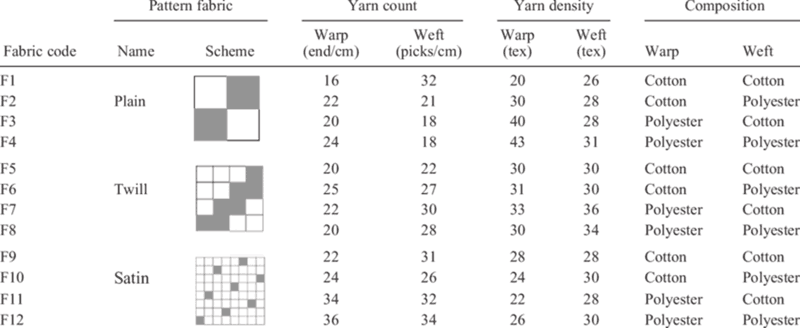
Type of Materials used in Luggage Production
PU Coated Fabrics are produced of a wide range of fabrics for Luggage, Backpacks and for their applications with 2, 3, and 4-layer coatings to suit the specific technical requirements. These fabrics are thoroughly tested to guarantee performance even after serious wear and tear. Also, PVC Coated Fabrics are widely used in Soft Luggage Industry and offer excellent abrasion resistance properties. These fabrics have the highest flexibility and best processability due to a special PVC coating recipe.
Eva Foam laminated fabric is manufactured with foam laminated fabrics for various applications in the luggage industry. These fabrics are manufactured using premium-grade yarns and the latest machines under the guidance of skilled professionals to ensure high strength and durability. Fabrics are made available in different thicknesses.
Lining fabric: This fabric is manufactured of 100% Polyester & Nylon Lining fabrics. These various types of lining fabric are in various colors and textures; which adds a professional look to the inside of the bag.
Rain cover Fabric: Backpack rain cover fabrics are made from 100% waterproof material that causes rain to bead up and run off the surface instead of soaking in. The fabrics are strong, durable, and water-resistant.
Digital Printed Fabric is produced in various Designs & Prints on fabrics which is a new and innovative process that involves printing a design, a pattern, or an image directly onto the fabrics through the Direct & Sublimation Printing process.
Taffeta: Taffeta is a crisp, plain-woven fabric made most often from silk, but it can also be woven with polyester, nylon, acetate, or other synthetic fibers. Taffeta fabric typically has a lustrous, shiny appearance. Taffeta can vary in weight from light to medium and in levels of sheerness, depending on the type of fiber used and the tightness of the weave. Taffeta is a popular lining fabric, as the material is decorative and soft, and it is also used for evening wear and home decor.
Narrow Fabrics and their composites are made of are: polyester, nylon, fiberglass, metallic and reflective yarns, carbon fiber, spandex, neoprene, rubber, cotton, polypropylene, rayon, aramid, and polytetrafluoroethylene (PTFE).
To manufacture these specialized webbing, tapes, and specialty fabrics for a broad range of industries they need to have the essential experience of material selection, designing, developing, and manufacturing to produce a specialty product. They are woven on special narrow fabric looms, using the basic principle of warp filling interlacing.
Several sets of warp yarns may be beamed together to make several narrow fabrics side by side, on the same loom. Also, some tapes and ribbons are prepared by cutting the full-width fabrics into strips and sealing the edges like thermoplastic fabric can be woven in this way.
The webbings manufactured are Bag stripe material, woven nylon strapping, web belts, cotton webbing tapes, canvass webbing, polypropylene webbing, jute webbing. Although, some shuttle looms/needle looms are used. This adaptable component can be either flat or tubular, with each form offering unique properties.
Flat webbing, such as a car seatbelt, consists of strong, solidly woven Yarns. A flat tube of webbing, found in climbing and industrial gear, for example, is more flexible than standard flat webbing. Webbing appears in a multitude of operations and industrial sectors.
Fabric Materials used for luggage carriers
Different kinds of narrow fabrics such as ribbons, laces, cords, tapes, labels, webbings, wicks, elastics, ropes, straps, trims, fringes and lanyards, etc. may be crafted out of different kinds of materials such as leather, cotton, polyester, Teflon, rubber, jute, nylon, fiberglass and also beads. Narrow fabrics are usually decorative in nature but are often used in a large variety of homes to add a decorative look to dresses and can also be attached to curtains; bed covers, etc., and industrial applications. Different kinds of materials used to make narrow fabrics are:
- Cotton tapes with fabric structure of plain, satin, velvet: The most practical and widely used medium, cotton is processed to make a highly decorative, luxurious medley of laces, wicks, tapes, webbings, and lots more.
- Polyester: The durable synthetic material is used to make different kinds of tapes, webbings, straps, etc.
- Teflon: Teflon is a popular material used for various kinds of tapes etc, for industrial applications.
- Rubber: Tapes made from rubber are widely used for different purposes.
- Jute: The 100% bio-degradable material is used for webbings.
- Nylon: Extremely durable & available in different colors & textures, nylon is made use of, for making high-quality tapes, straps, etc.
- Fiber Glass: Wicks made of fiberglass are gaining popularity due to their chemical properties
- Beads: Trims, fringes made of shiny beads of different shapes and sizes are gaining popularity
Applications
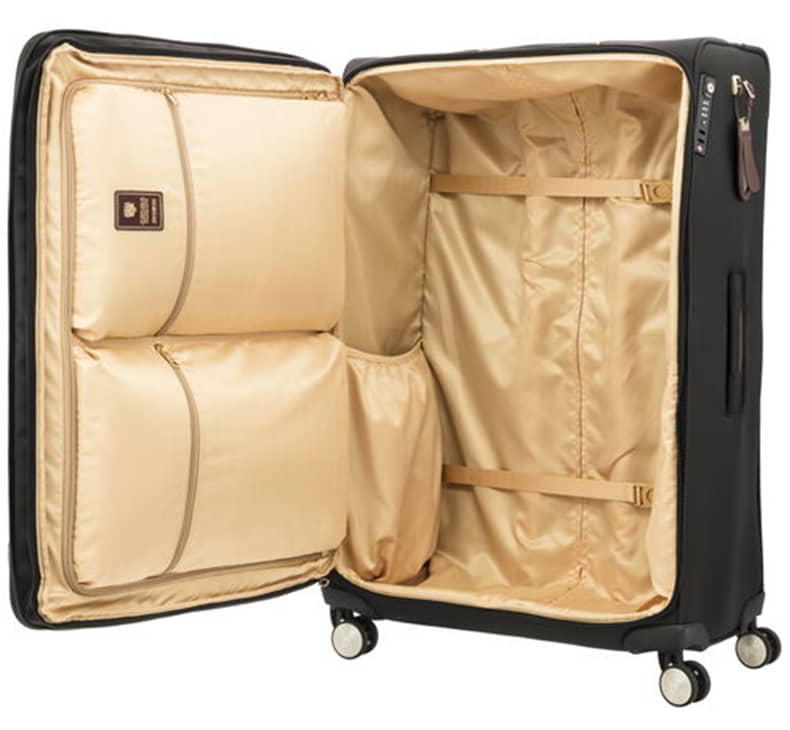
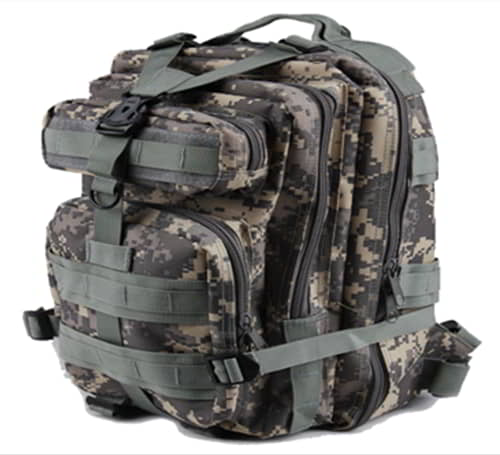
Fabrics are great for making backpacks, bags, cases, prams, sheets, pillows, sleeping bags, curtains, covers for clothing and furniture, home decoration, etc. Customization is available.
The mainlining fabric is a special high denier twisted fabric with Teflon coating, which is treated for repellency to fight off dry soil and nasty, unpredictable spills and splashes, allowing liquids to bead up and roll off. Liquid spills can easily be wiped away when blotted with a clean cloth, and dry soil can be brushed off easily. Further, the exterior is decorated with classic leather trims throughout, the design is also decorated with various high-quality metal embellishments to highlight the premium level.
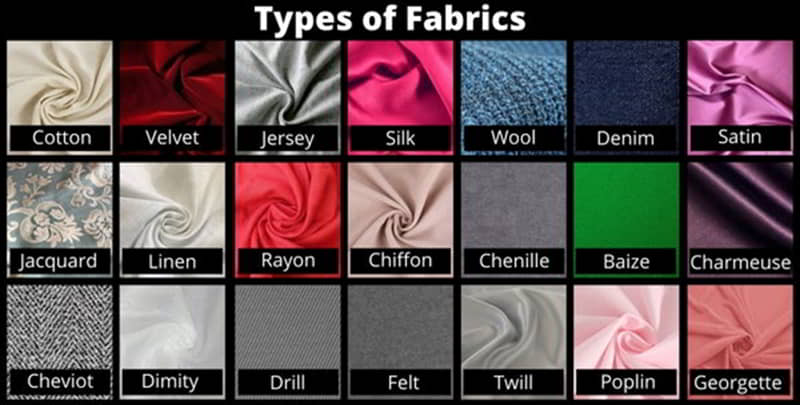
The Best Hard Luggage Material
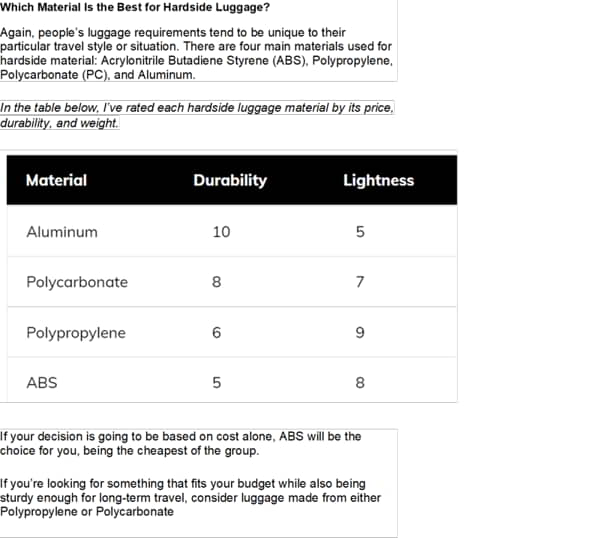
All hard luggage’s are durable and therefore offer the best protection of the items inside. The most popular hard material is polycarbonate, aluminum, ABS, and polypropylene. The aluminum suitcases are at the top of the range (durability, price), followed by polycarbonate, polypropylene, and ABS.
Aluminum suitcases have been around for a while and are a classic choice. However, they are expensive and therefore increasingly being replaced by other less expensive hard materials.
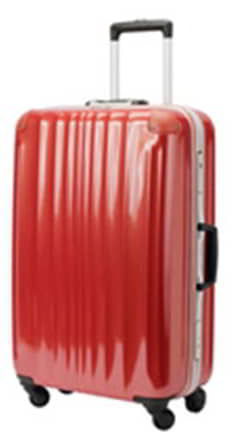
Polycarbonate is molded type of thermoplastic polymer and is a very popular material for hard luggage. It is lighter than aluminum but still very durable and offers more style choices, e.g., in colors and patterns. Another important benefit of polycarbonate as a luggage material is how impact-resistant it is. Upon impact, the material flexes to absorb the impact and then flexes back to its original shape, making polycarbonate luggage extremely resilient to rough handling.
Polypropylene, or polypropene, is also the type of thermoplastic polymer and the lightest of all the thermoplastic products, making it an ideal material for any lightweight luggage range.
Polypropylene is also very resilient (though not as much as polycarbonate). Polypropylene is a great choice for those travelers that want good protection in a lightweight form as possible.
ABS (acrylonitrile-butadiene-styrene) is a common thermoplastic. ABS is lighter than polycarbonate but not as durable. It is also the cheapest hard material, meaning it is popular in the cheaper hard-sided luggage ranges.
ABS is frequently added to other stronger luggage materials, e.g., polycarbonate. The combined material is more durable than ABS on its own but also lighter and cheaper than polycarbonate on its own.
Suitcases
What is the material of the suitcases?
There are loads of different blended luggage materials to choose from: aluminum, polycarbonate, ABS, polypropylene, nylon, ballistic nylon, Cordura nylon, polyester, canvas, oxford cloth, and leather. And some of them are going to withstand the pressure of a long-haul flight better than others.
What is the strongest material for a suitcase?
Polypropylene
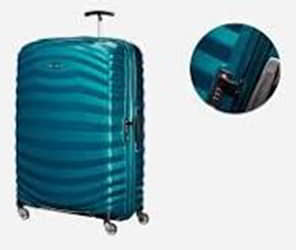
Polypropylene is one of the strongest materials and is therefore also used in making Curv. The hard shell can withstand a strong impact. It is a good alternative for travelers who find the bags made of polycarbonate or Curv too expensive.
Which suitcase material is best for international travel?
Many travelers consider polycarbonate hard suitcases the best type of luggage because it’s lightweight. Delsey Helium Aero is a popular choice for polycarbonate luggage.
If your decision is going to be based on cost alone, ABS will be the choice for you, being the cheapest of the group.
If you’re looking for something that fits your budget while also being sturdy enough for long-term travel, consider luggage made from either Polypropylene or Polycarbonate
And finally, if the cost is not an issue and you’re looking for the most durable kind of suitcase, go for Aluminium.
In the table above we’ve compared the four materials used for hard side luggage, by price, durability, and weight. You’ll also find more information below specific to each material. Hopefully, this will help you judge what material is going to work best for you.
Acrylonitrile Butadiene Styrene (ABS)
Short for Acrylonitrile Butadiene Styrene, ABS is a mix of three different materials. Although it’s widely used in other industries as well, it’s the most popular material used for hard-side suitcases. Especially in affordable luggage, due to its cheap production costs.
When compared to other plastics used in hard-shell suitcases, ABS is the most rigid one. However, the rigidness doesn’t account for durability, because both polypropylene and polycarbonate are more durable and will last longer. Due to non-flexibility ABS suitcases are more likely to get cracks in the hard case.
Lastly, ABS is more lightweight than polycarbonate, but not as light as polypropylene. This is why cheaper hard-side suitcases are often more lightweight than the more expensive cases made from PC (Polycarbonate).
Polycarbonate (PC)
PC, short for Polycarbonate is the second most popular material used in hard-side suitcases.
PC is much more impact-resistant than ABS or Polypropylene. Upon first picking up ABS and Polycarbonate suitcases, you would think that ABS is more durable, because of its rigidness. But it’s actually not. Polycarbonate is much more flexible and offers more resistance to cracks, which is why it’s the perfect choice for applications where high durability is needed.
Polypropylene (PP)
Polypropylene is pretty rarely used in luggage when compared to ABS or Polycarbonate.
It’s the most lightweight material of the three, and it’s also pretty durable – It’s more durable than ABS but not as durable as polycarbonate. In terms of costs, it’s also not as expensive as a PC and priced somewhat similarly to ABS suitcases.
Unfortunately, one thing that is always noticed with polypropylene suitcases is that they feel cheap. Because of their weight and flexibility, this always perceived polypropylene suitcases as less durable than ABS or PC, which isn’t true. In actuality, the perceived durability might be the reason why polypropylene isn’t so popular in luggage.
Aluminum
Out of all hard-side suitcase materials, Aluminum is the most durable.
A clear icon of aluminum suitcases is Rimowa. They’ve been making aluminum suitcases since 1937, and their cases are almost indestructible. The durability lies in the material itself because aluminum is so tough to break. When put under high pressure, aluminum is likely to bend instead of cracking.
However, aluminum is pretty rarely used in suitcases. Mainly, because it’s heavier than plastics and costs much, much more. Usually, aluminum suitcases cost 500$-1200$, which is expensive when compared to say, durable polycarbonate suitcases, which can be bought for 100$-200$.
Soft side Luggage Materials Compared
| Material | Durability | Lightness | Price | |
|---|---|---|---|---|
| Polyester | 5 | 9 | $$ | |
| Oxford cloth | 6 | 8 | $$ | |
| Nylon | 7 | 8 | $$$ | |
| Cordura nylon | 8 | 6 | $$$$ | |
| Ballistic nylon | 9 | 6 | $$$$ | |
| Canvas | 8 | 5 | $$$$ | |
| Leather | 9 | 4 | $$$$ |
Soft luggage fabric by its price, durability, and weight.
Hard vs. Soft Luggage Cases
Both have their benefits. Hard side luggage offers more protection, it’s easier to clean and waterproof. On the other hand, fabric suitcases are more flexible, lightweight, and don’t crack. In durability and price, both are pretty similar.
Let’s take a look at all the benefits that each type offers.
Hardshell Luggage Benefits
- Can’t overpack. That’s good for carry-on luggage, where size restrictions play a significant role;
- Better protection for electronics and fragile items;
- Waterproof or water-repellant;
- It can be easily cleaned.
- Often comes with TSA-approved combination locks.
Hard side Luggage Disadvantages
- Cracks can start to appear after normal wear;
- Can’t be squeezed in tight overhead compartments;
- Often heavier;
- Split-book style openings aren’t too useful for packing cubes;
- Gets scratched. Consider using a luggage cover for minimizing scratches.
Fabric Luggage Benefits
- Often lighter than hard suitcases;
- It can be overpacked. That’s good for checked luggage if you’re still within the weight limit;
- Easier to fit in tight spaces;
- Looks new longer, because scratches aren’t visible;
- Good for packing cubes.
Disadvantages of Fabric Luggage
- Can get tears in the fabric;
- Harder to clean;
- Water easily penetrates through the material;
- Less protection for hard objects and fragile items;
- Rarely comes with luggage locks.
Should You Get Hardside or Softside Luggage?
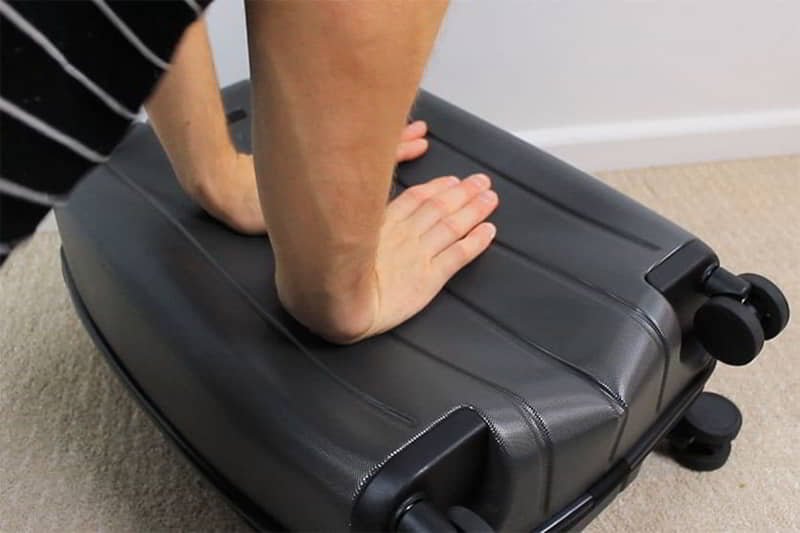
The popularity of the two has definitely fluctuated over time. In the 60s and 70s, hard side luggage was more commonly used, however, changes in technology have led to changes over time, with softside luggage becoming more popular. Nowadays the world of luggage material has flipped again, and the hard side has made a comeback.
What you can take from this anecdote is that there will always be reasons to choose hand side over outside, and vice versa. As you can see both luggage types have their advantages and disadvantages. It’s up to you to figure out what your priorities are in choosing a suitcase. Choose your parameters, and deciding on what to buy will be much easier.
Things to Consider When Buying Softside Fabric Luggage
I’ve researched way too many fabric suitcases, so I know a thing or two. Here are the main things that are considered for looking for suitable fabric luggage.
- Invest in nylon luggage. Whether that’s ballistic nylon, Cordura, or regular nylon, it’s worth it to spend 30-100$ extra for a more durable material.
- Check the zippers. Spend a few minutes browsing the reviews and seeing if broken zippers are a thing between the customers. Often, the cheaper fabric cases are fitted with cheap zippers that break easily. Ideally, you want thick and durable zippers, like the YKK zippers.
- If there are no spinner wheels, make sure that the bottom part is made from thick fabric. In a lot of affordable fabric suitcases with skate wheels, the bottom portion will be the first to show tears and scuff marks.
- Consider getting your fabric suitcases in black. Brightly colored fabric luggage can get ugly pretty fast with oil stains and scuff marks.
- Check if the case is expandable. One of the benefits of soft side luggage is its ability to expand if you need to pack any extras. Make sure to check this feature is included as you never know when you’ll need it.
Things to Consider When Buying Hard Shell Luggage
More careful about buying hard-shell luggage, just because often the cheaper suitcases can break after one or two trips. If you’re getting a cheap suitcase, it’s better to buy a fabric one with skate wheels. For hard side cases, you should spend at least 100$ or more.
- Choose polycarbonate or aluminum. Most of the time, polycarbonate is the best option because it’s moderately priced and durable.
- Buy a case with a scratch-resistant finish. All the glossier models get scratched just after a few trips. Instead, get a patterned finish.
- Some manufacturers make incredibly heavy hard side suitcases, so be sure to check the weight before buying.
- Make sure the dimensions are correct. Ideally, you want hard side carry-ons to be below 22 x 14 x 9 inches with the wheels and handles included. Often, the dimensions listed are without wheels and handles, so make sure to get the correct dimensions.
- Read the reviews first. Often cheap hard-side suitcases get cracks, broken spinner wheels, broken handles, and broken zippers. Make sure to spend five minutes reading the reviews before buying.
- Get a case with expandable width and TSA-approved locks. For new hard-side suitcases, these features are a must-have.
By Ashok Hakoo; B. E (Textiles), M.B.A.
Technical/Management Textile consultant.
Acknowledgment: Technical and technological Facts in this write-up has been selected from various reliable sources.


High quality luggage and backpack supplier(Roy)
Hello!
Greetings! Glad to find that your work in the field of luggage and bags
This is Roy from China, a large supplier of Backpack,Luggage,
Suitcase and Bags.
We can manufacture backpack and luggage in various materials and
styles, PP/PCIABS/ABS+PC luggage and soft luggage.
We are mainly in OEM and ODM.
Currently we have some new designs products coming out
Would you mind we share some of our popular products with you?
We are looking for chances to cooperate with you.
And we are deeply involved in the field more than 20 years.
We can support good quality with very competitive price.
P.S. We will highly appreciated if you can advise purchaser’s contact info
or forward my mail to the person who takes in charge of purchasing.
Sincerely
Thanks
Mit freundlichen Grüßen/Kind regards
Roy
Sales Manager